
Why do I need a sewer scope on a brand new or newer home?
Many buyers assume a new or newer home means the sewer line must be perfect.
Unfortunately, that’s not always the case.
In Western Washington, we regularly find defects in sewer lines that are only a few months—or a few years—old.
Here’s why a sewer scope inspection is still critical.
🚧 1. Construction Debris Happens
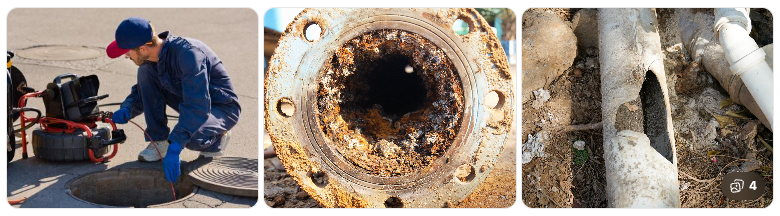
During construction, it’s common for:
Rocks
Gravel
Drywall mud
Soda cans
Wood scraps
…to accidentally enter the sewer lateral before final fixtures are installed.
Even one small obstruction can cause slow drainage or a backup shortly after move-in.
🔧 2. Improperly Installed Pipe Joints
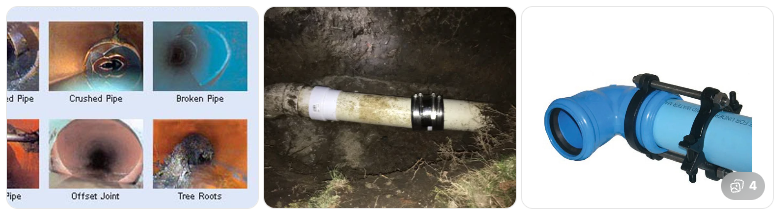
New PVC sewer lines can still have:
Minor offsets
Poorly glued joints
Incomplete seating
Shifting due to soil settlement
Western Washington soil stays wet much of the year. That moisture accelerates settlement and movement, even in newer developments.
Small installation errors today can become major repair bills later.
🌲 3. Root Intrusion Can Start Early
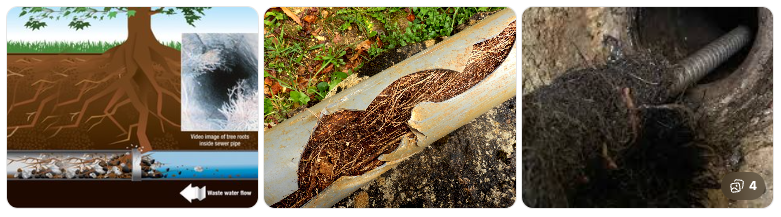
In areas like Olympia, Lacey, and Tumwater, trees are everywhere.
If a joint isn’t perfectly sealed, roots can begin entering surprisingly quickly — especially if landscaping was completed after sewer installation.
💧 4. Sewer Line Bellies (Low Spots)
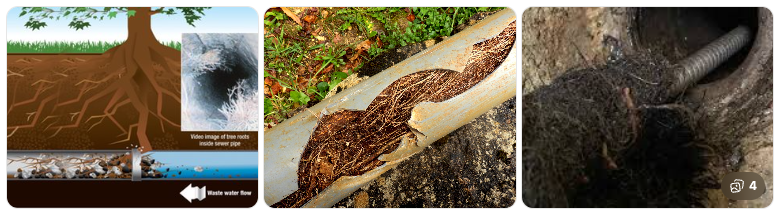
Improper compaction during backfill can create a “belly” in the line.
This causes:
Standing water
Sludge buildup
Repeated clogs
Premature pipe deterioration
We routinely find minor bellies in homes less than five years old.
💰 5. The Sewer Line Is Usually Your Responsibility
Once you close, the sewer lateral from the home to the city tap typically becomes the homeowner’s responsibility.
Repairs can cost:
$3,000 – $15,000+
Excavation
Concrete cutting
Landscaping repair
Finding issues before closing gives you negotiation leverage with the builder or seller.
The Bottom Line
A brand-new or newer home does NOT guarantee a problem-free sewer line.
A sewer scope:
✔ Takes about 30–45 minutes
✔ Documents the full lateral
✔ Provides video + written report
✔ Can save thousands in unexpected repairs
In Western Washington, it’s one of the smartest add-on inspections you can choose.